

Hearing Loss Information

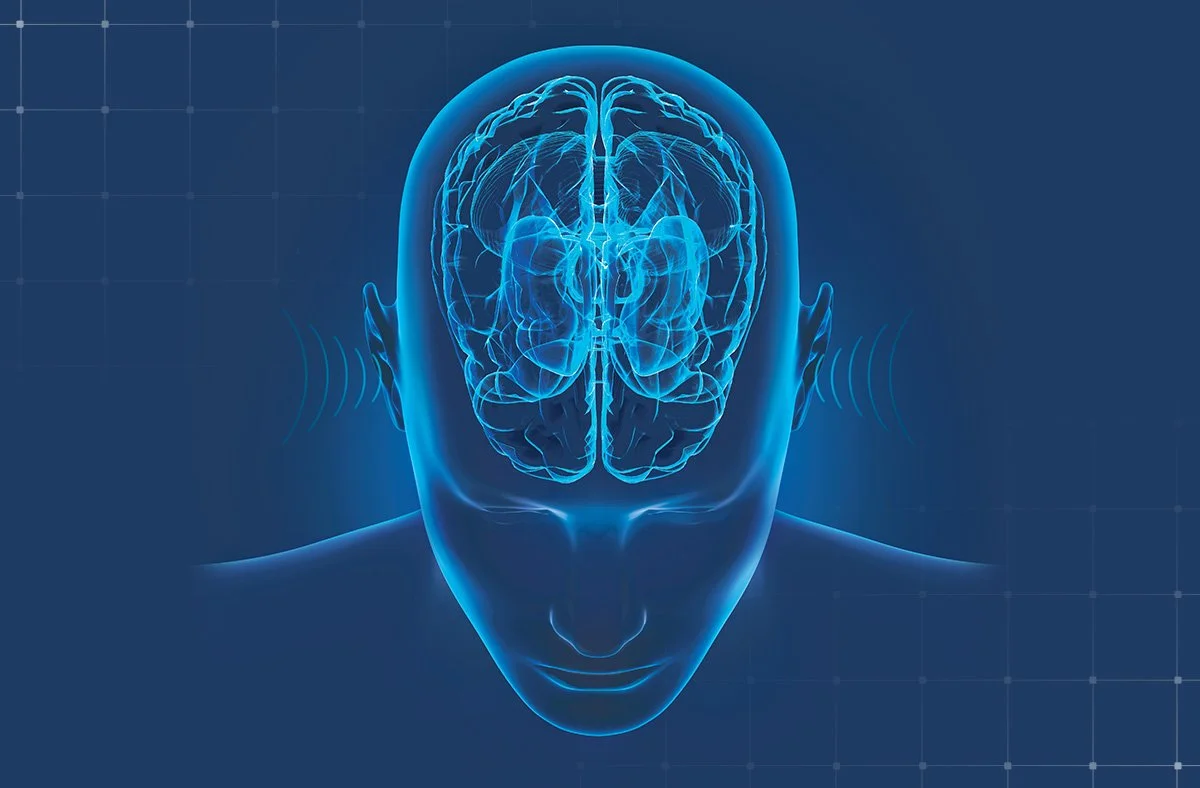
Did you know that it’s your brain that hears?
You may think that hearing happens in your ears, but there are many neurological contributing factors. Your ears and brain work together as a system to understand sounds. Your brain performs four key tasks as you listen:
Orientation: The brain constantly gathers information from both ears to orient and know what is happening in your environment.
Recognition: The brain recognizes a sound based on past experience. This is how you make sense of the auditory signals.
Focus: The brain uses both ears to focus on what matters, especially in noisy spaces.
Separation: The brain separates relevant sounds from competing noise in your environment.
Hearing loss is the third most common physical condition after arthritis and heart disease. Approximately 48 million Americans report some degree of hearing loss.
Unfortunately, hearing loss is an invisible condition. We see only the effects. In most cases, hearing loss cannot be reversed. That's why it's imperative to be aware of the signs, seek appropriate care and utilize the advanced technology offered today. Trust us when we say that first call you make to an audiologist really can be life changing!
Types and Causes of Hearing Loss
Conductive Hearing Loss - Hearing loss due to problems with the ear canal, ear drum, or middle ear. Essentially, it is a mechanical problem with the conduction of sound vibrations. Common causes of conductive hearing loss include malformation of outer ear, ear canal, or middle ear structures, allergies, or infections.
Sensorineural Hearing Loss - Hearing loss due to problems of the inner ear, also known as nerve-related hearing loss. This type of hearing loss is a problem with the generation and/or transmission of nerve impulses from the inner ear to the brain. Causes of sensorineural hearing loss may include exposure to loud noise, head trauma, viruses or diseases, hereditary, and aging.
Mixed Hearing Loss - A combination of conductive and sensorineural hearing loss.
If you think you may be experiencing some hearing loss, please contact us or complete our hearing questionnaire.